

Access resources and documentation from scouting organizations
A collection of ideas for Beaver and Cub programme that can form the basis of activities and programme cycles.
 Beavers
 Cubs
Cubs
A collection of Activities that you can organise with your Beaver Scouts as part of their Programme Cycle.
Beavers
Beaver Scout Handbook
Beavers
The Guide to Running a Beaver Colony explains how ONE Programme works in the Beaver section.
BeaversThe MacScouter's Big Book of Games - Volume 1: Games for Younger Scouts.
 Scouts
 Ventures
 Rovers
The MacScouter's Big Book of Games - Volume 2: Games for Older Scouts.
BeaversCubs
An excellent resource of games to run with your troop. Contains 319 games total!
BeaversScoutsRoversVenturesCubs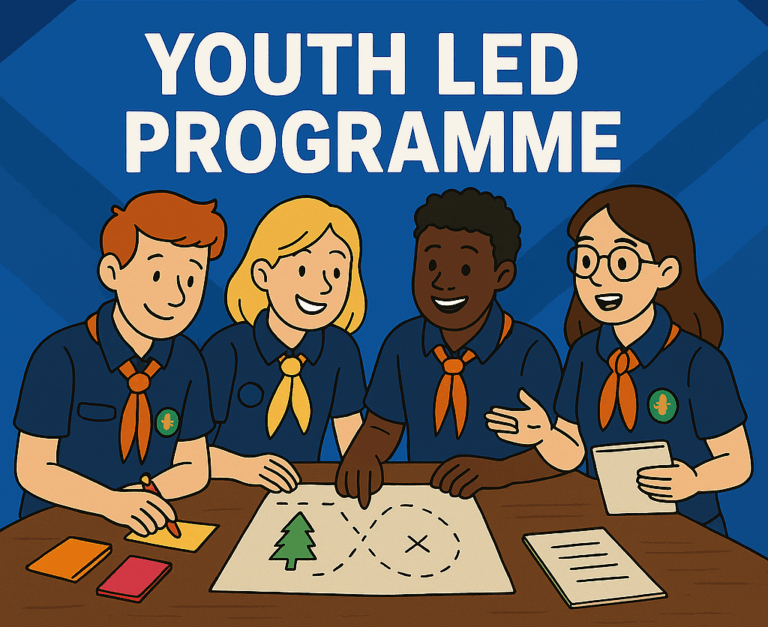
Are you looking for some ideas on how to get young people in your sections more involved in decision-making? Scouting Ireland has a short guide to help with this, including an overview of how to use the Scout Method to enable youth empowerment in each section.

Information about the Chief Scout Award including the Chief Scout Award Handbook, Chief Scout Award requirements and the Application process.
BeaversScoutsRoversCubsVentures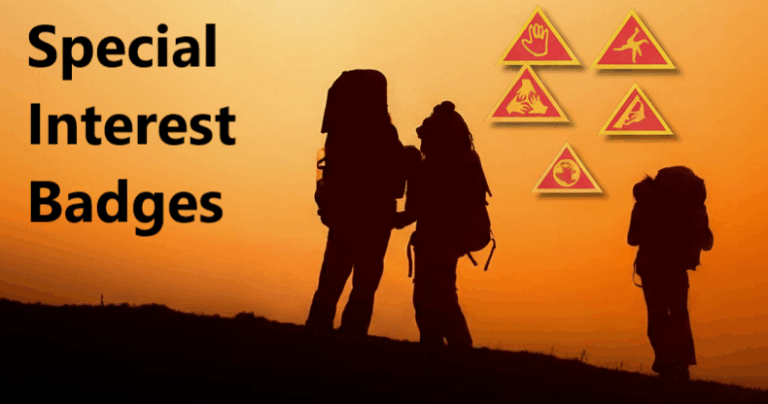
The Special Interest Badges Handbook explains Special Interest Badges, how to create your Special Interest Badge project, and has examples of Special Interest Badge projects for each special interest area for each section.

The Scouter Handbook is a guide to ONE Programme for Scouters.
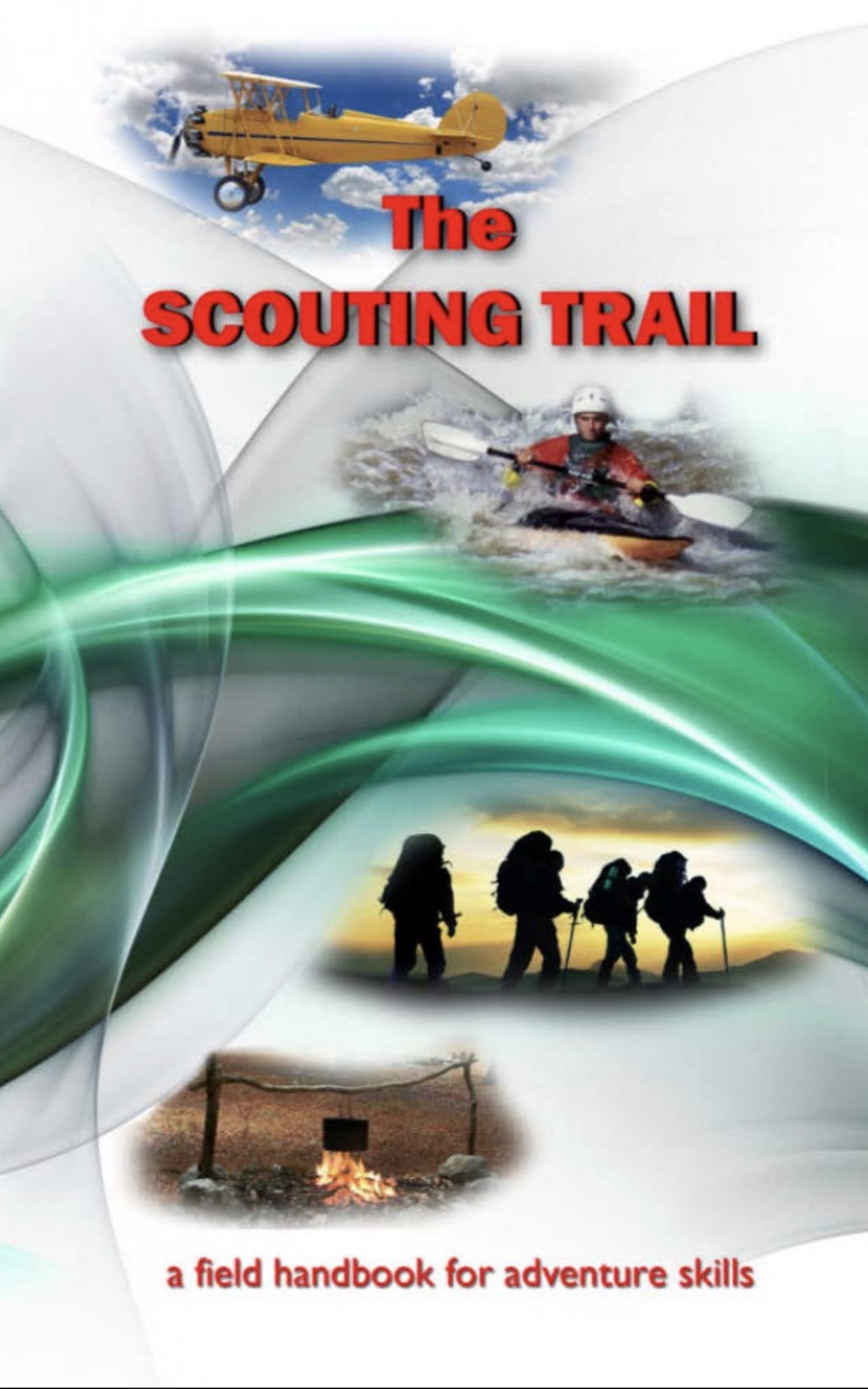
The Scouting Trail is the field handbook for all scout sections including how-to information on camping, backwoods, emergencies, ropework and leadership.

This document outlines the core SPICES development framework used in Scouting Ireland, covering Social, Physical, Intellectual, Character, Emotional, and Spiritual growth. It maps clear learning objectives across all sections—from Beaver Scouts to Rover Scouts—showing how young people develop skills, values, and responsibility as they progress through Scouting.
An overview of the Woodbeads Training for Scouters
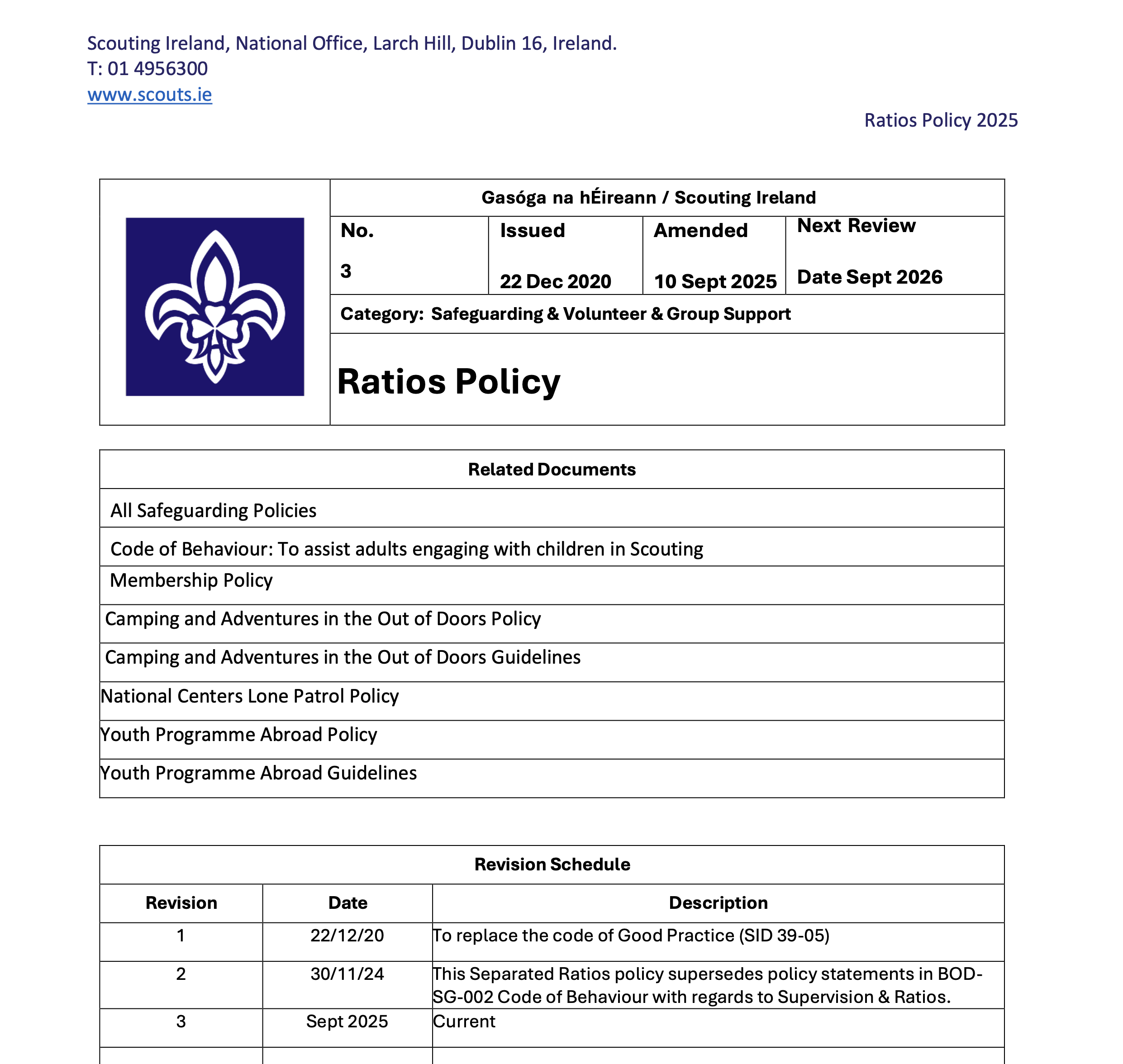
This policy defines the minimum ratio requirements deemed necessary by Scouting Ireland to ensure the safety, supervision, and well-being of youth members during Scouting activities.
The 8-Step Guide to Camping is a complete framework that helps Cub Scout Packs prepare for their annual camp through progressive skill-building, youth-led planning, and strong Scouter organisation. It covers everything from early programme planning, gear checks, hygiene, cooking, pioneering, fire-lighting, and ceremonies, right through to camp administration and post-camp review. The resource emphasises independence, teamwork, SPICES development, and creating magical camp memories for Cubs.
Cubs
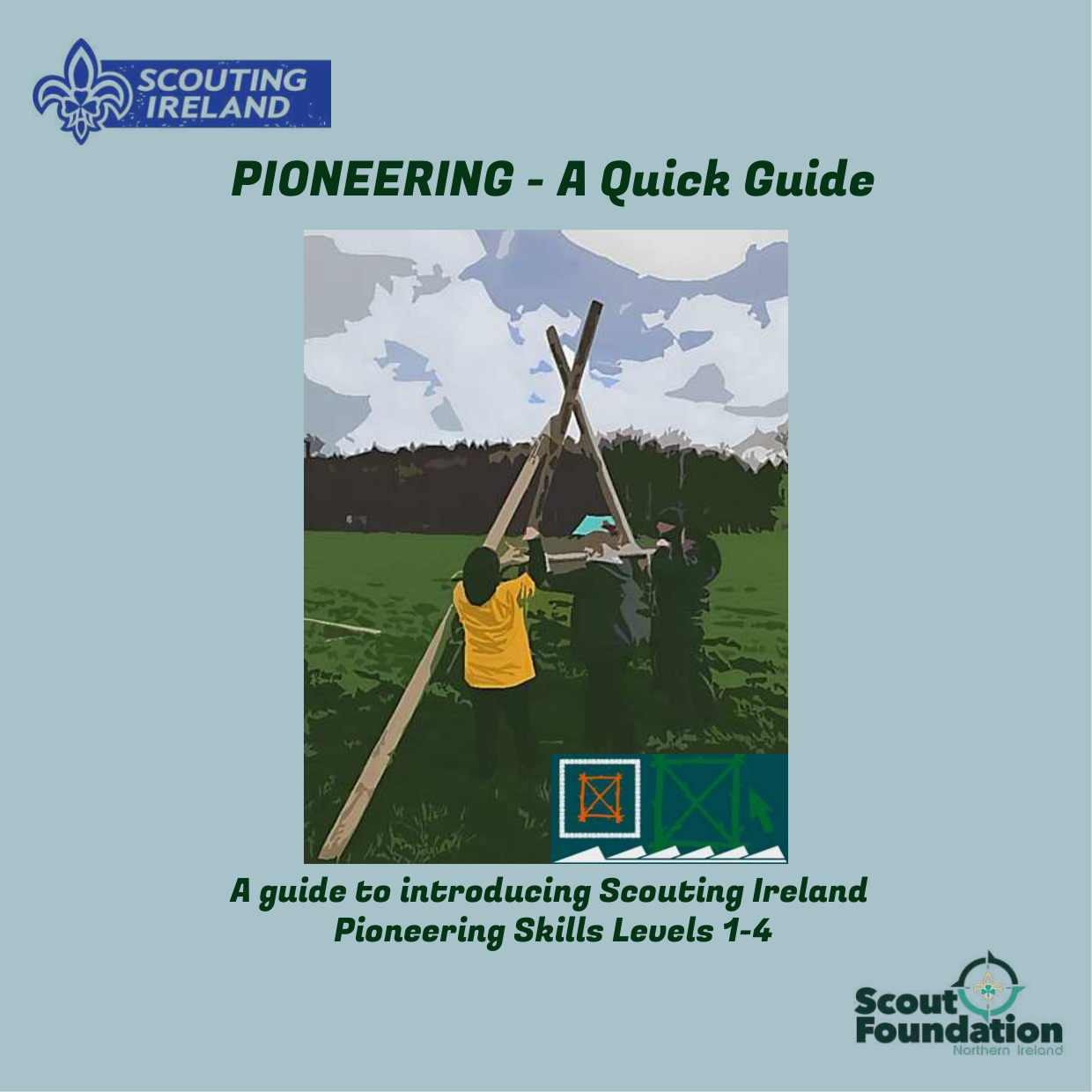
This guide introduces Scouting Ireland’s Pioneering Adventure Skills from Levels 1–4, focusing on building structures using spars, ropes, lashings, and teamwork. It provides a clear progression from simple introductory activities (like edible lashings and spaghetti towers) to foundational pioneering terminology, basic frames, knots, and safe tool use. The guide equips Scouters to run engaging, practical pioneering sessions that prepare youth for more advanced engineering-style builds.

This pocket guide introduces Scouters to the core concepts of Backwoods living, focusing on teaching young people how to thrive in nature with minimal equipment. It outlines foundational skills across shelters, fire, tools, cooking, and understanding the natural world, while emphasising safety, preparation, and proper training. The guide serves as an accessible starting point to help leaders design Backwoods programmes and support youth on their journey toward higher Adventure Skill stages.

Stage 1 introduces young Scouts to the very basics of Backwoods living, focusing on safety, simple shelters, basic fire awareness, and understanding natural materials. Activities are designed to be achievable indoors or outdoors and emphasise confidence-building in a low-risk environment. It sets the foundation for later survival skills by keeping everything simple, structured, and heavily supervised.
Stage 4 represents higher Backwoods competence: Scouts must confidently build tarp bivvy shelters, cook full meals like bread twists, navigate using sun and stars, and work with natural materials such as clay and wood. Sessions mix indoor learning with a required outdoor adventure to verify real skill mastery. Fire safety, tool safety, and “Leave No Trace” principles are core throughout.